

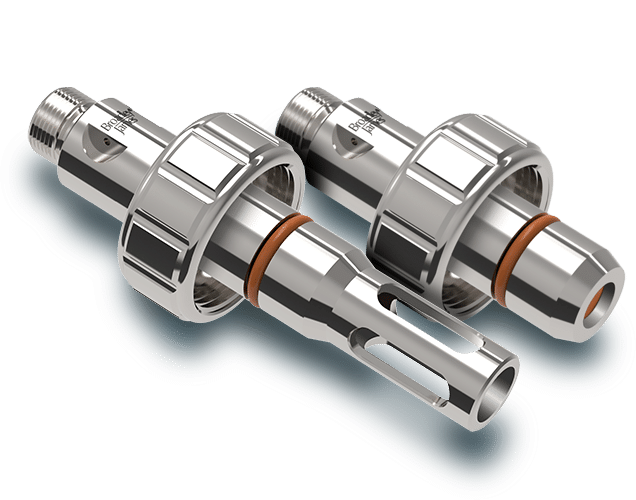
Housings
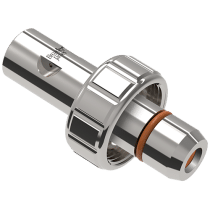
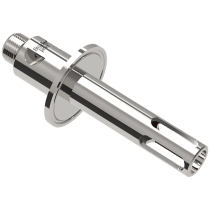
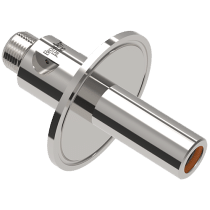
The sensor housing is designed to hold and protect the pH sensor when inserting it into the bioprocess vessel. There are various types of side-entry ports and housing groups to fit each port type. We offer a wide range of housings for all types of fittings that are each made of 316L electropolished stainless steel.
Browse AllHOUSINGS
-

Model 330 Guarded Housing (Standard 25 mm)
-
Model 335 Guarded Housing (Standard 25 mm – Pg13.5)
-
Model 336 Guarded Housing (Sartorius® Port 25 mm)
-

Model 356 Guarded Housing (Sartorius® Safety Port 25 mm – Pg13.5)
-
Model 320 Housing (Standard 25 mm)
-
Model 325 Housing (Standard 25 mm port – Pg13.5)
-
Model 346 Housing (Sartorius® Safety Port 25 mm – Pg13.5)
-
Model 326 Housing (Sartorius® Safety Port 25 mm)
-
Model 367 Housing (1.5″ Sanitary Tee)
-
Model 357 Housing (1.5″ Sanitary Tee)
-
Model 350 Housing (2″ Sanitary Tee)





HOUSINGS FAQs
How is the housing length determined?
The typical insertion length is calculated from the top of the threads to the furthest point, either the guard or the sensor tip.
How do I choose a housing style for my pH sensor?
The sensor housing is designed to hold and protect the PH sensor while inserting it into the bioprocess vessel. There are various types of side entry ports and different groups of housings to fit each port type. The size and make of the port must first be identified in order to narrow the selection process.
The two most common types of entry ports found on pilot and production scale vessels are as follows:
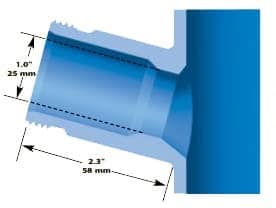
STANDARD 25 mm SIDE PORT
Found on nearly all vessels other than those manufactured by Sartorius®. The port bore is 25 mm i.d. and the housing o-ring seals to the inside of the port.
The housing is then secured to the port by a threaded retainer ring. The port is installed at a 15° angle for better sensor performance. See the cutaway drawing to the right for typical installation dimensions.
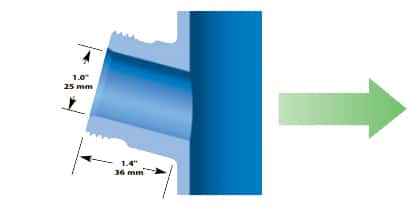
Sartorius® 25 mm SAFETY SIDE PORT
Found exclusively on vessels manufactured by Sartorius®. This style of port is longer than the standard port and needs a special housing to fit correctly. (Note: The port opening on newer tanks is 30 mm i.d. and the port narrows down to 25 mm i.d. at the critical point where the housing o-ring seals to the inside wall of the port.) Again, the port is installed at a 15° angle for better sensor performance. See the cutaway drawing to the right for typical installation dimensions.
Additional sanitary installations
In addition to the standard types of entry ports featured above, there are other options for sanitary ports. These sensor housings are designed to hold and protect the pH sensor while insertion into sanitary pipe tees and NovAseptic's sanitary side ports. Both entry ports require a unique housing with a narrow front end. Specifically housing models 357 and 367.
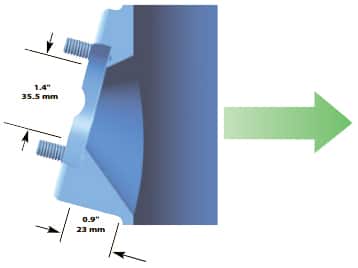
NOVASEPTIC SANITARY SIDE PORT
Sometimes found on vessels in biotech facilities, this style of port is flush to the vessel wall to minimize crevices. The unique design of the port offers increased drainage around the port and more effective Clean-In-Place (CIP).
The NA-connect® port from NovAseptic is compatible with a special sanitary housing, which is secured to the port by a clamp. The port is installed at a 15° angle to allow for proper sensor performance. See the cutaway drawing to the right for typical installation dimensions.
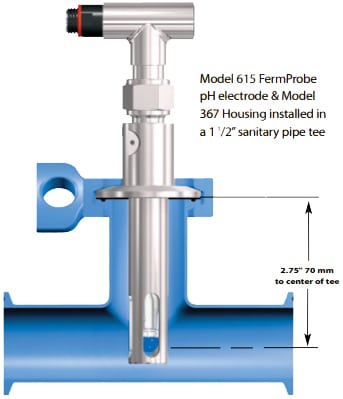
SANITARY PIPE TEE
In-line measurements in a sanitary pipe tee require sanitary flange housings. Since the sanitary gasket is the primary seal, no o-ring is required on the outer portion of the housing.
Commonly used in both the food and pharmaceutical industries, the Model 357 and 367 housings are suitable for sanitary pipe systems with CIP requirements. These housings are most often found in downstream processes such as purification.
The housings are secured into a sanitary pipe tee with a standard flange clamp sealed with a flange gasket. The pH sensor is then inserted into the housing for on-line measurements. When using a standard sanitary tee, the sensor is positioned such that the tip of the sensor is in the middle of the process flow.
Do I want a Guarded or Unguarded Housing?
The sensor /housing assembly can accidentally “bump” into the 25 mm port when being installed. If the pH sensing glass bulb of the sensor is not protected by a housing bulb guard, the sensor can easily be shattered. A guarded housing design is often the engineer’s first choice when choosing a sensor housing.
However, sometimes the media is so viscous that it will clog the housing guard and effectively smother the pH sensing glass bulb. In this case, an unguarded housing must be used to ensure that the pH sensing glass bulb is always in contact with fresh media.

The F-615/326 assembly with unguarded housing. Recommended for viscous media to ensure that the pH sensing bulb of the sensor is always in contact with fresh media.

The F-615/336 assembly with guarded housing to protect the pH glass bulb of the sensor during installation.