
Transmitters
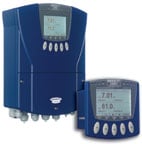
The innovative MXD70 series of process instruments brings a new dimension to analytical process measurements with a modular design to meet ever changing process requirements. The versatile, range of compact instruments can be used to measure and control any combination of 3 inputs from pH, redox, dissolved oxygen or conductivity sensors, with their associated temperature sensors. Analogue and digital outputs with live on-screen trending and data logging ensure this range of transmitters can be integrated into any control system.

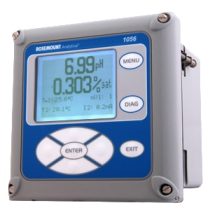
TRANSMITTERS FAQs
What is the transmitter measuring?
Polarographic DO sensors measure the partial pressure of Oxygen within the vessel. In order for the transmitter to convert the sensor’s current output to % saturation or ppm concentration, the transmitter must know the operating temperature and pressure of the sample media.
What is the difference between a 2-wire and a 4-wire transmitter?
2-Wire vs. 4-Wire: A 4-wire transmitter is either powered by a 110V or 220V power supply. This allows direct activation of relays, pumps, solenoids, etc. However, in a hazardous environment, flammable or combustible vapors, gases or dust are present which could possibly ignite under certain circumstances. A 2-wire transmitter is loop-powered, which means it is powered by a low voltage, low current, DC power supply, typically 24V. A 4-20mA current is usually supplied by a distributed control system or other centralized data acquisition hardware and connected to the transmitter via 2 wires. A 2-wire transmitter does not directly control relays, pumps, etc., and will not spark if a malfunction occurs.
What is sensor interrogation?
Sensor interrogation is a feature of many transmitters today. It can be used to determine whether or not the sensor is working properly by sending a signal through the sensor and monitoring the response. The response will indicate whether the sensor is cracked, broken, clogged or otherwise not operating properly. The transmitter will then display a message indicating the sensor should be checked. For example, a remote operator overseeing a process running at a constant pH of 7 may not have any indication of problems. However, if the cable is shorted the transmitter will also display approximately pH 7. Without sensor interrogation, or physically checking the system, the operator may think the pH measurement is acceptable when in fact the sensor or cable is damaged, generating a false reading.